
 James K. Cerda
A hole in the heart can sound alarming, but many of these openings can now be treated without open-heart surgery. If the opening is left alone, it can put extra strain on the heart over the years. Modern closure techniques reach the heart through a small entry point, usually a vein in the groin, so recovery is easier. A cardiologist may recommend ASD device closure as a suitable treatment option after assessing the patient’s heart condition.
Recognising Heart-Related Concerns
An atrial septal defect (ASD) is an opening in the wall, called the septum, that separates the heart’s two upper chambers. Most people are born with it. Small openings often cause no trouble, and some people only find out about theirs in adulthood during a routine scan. Larger openings let extra blood flow into the right side of the heart. Over time, this can enlarge the heart and raise pressure in the lungs.
Identifying Common Warning Signs
Symptoms often develop slowly, so they are easy to miss or blame on something else. How noticeable they are tends to depend on the size of the opening. If any of the following seem unusual for you, it is worth seeing a doctor.
- Tiring easily during normal daily activities
- Shortness of breath with light exertion
- Frequent chest or lung infections in childhood
- Palpitations or an irregular heartbeat, even at rest
- Gradually reduced stamina for everyday tasks
Exploring Modern Closure Options
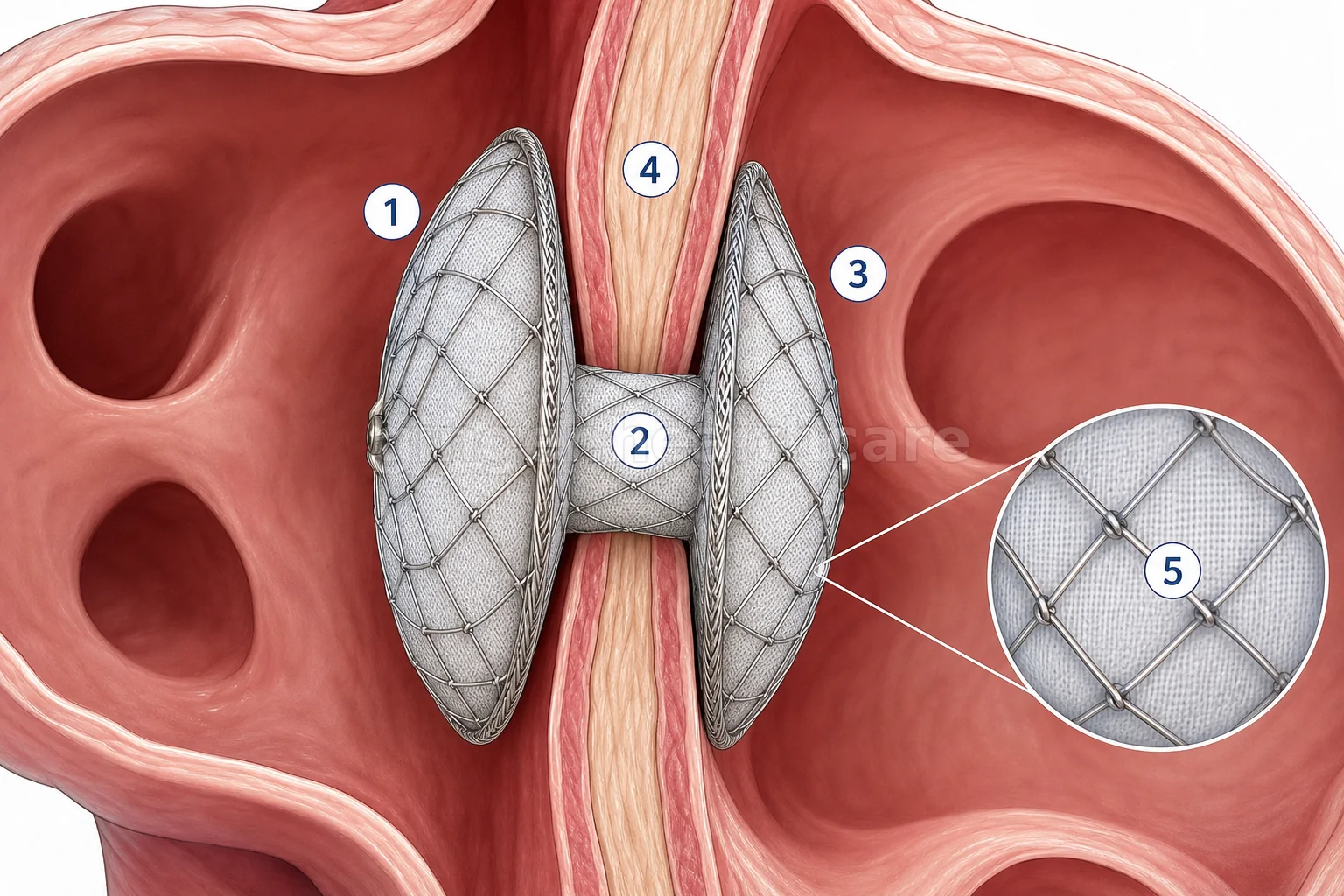
For suitable openings, closure can be done without a chest incision. The specialist passes a thin, flexible tube called a catheter through a vein and guides it up to the heart. Live imaging, usually echocardiography and X-ray, shows exactly where the device needs to go. With ASD device closure, a small implant is positioned across the opening to seal it and support healthy blood flow.
Supporting Recovery After Treatment
Most people go back to their normal routine within a few days, though heavy lifting and strenuous exercise are usually off-limits for a short time. A follow-up scan checks the device position and how well the heart is working.
Keep your follow-up appointments even if you feel well. They give your doctor a clear picture of your progress and help catch any changes early. Good sleep, sensible activity, and a balanced lifestyle all support long-term heart health.
Frequently Asked Questions
Can an atrial septal defect be treated without open-heart surgery?
Yes. Many patients can have the opening closed with a catheter-based device through a small entry point. Your specialist will confirm whether this approach suits your condition.
How long does recovery take after the closure procedure?
Most people resume light daily activities within a few days. Full recovery depends on your overall health, and your doctor will tell you when it is safe to return to more demanding activity.
Are regular checkups needed after device placement?
Yes. Follow-up visits let doctors check the device, watch the healing, and make sure the heart is working well over time.










Recent Comments